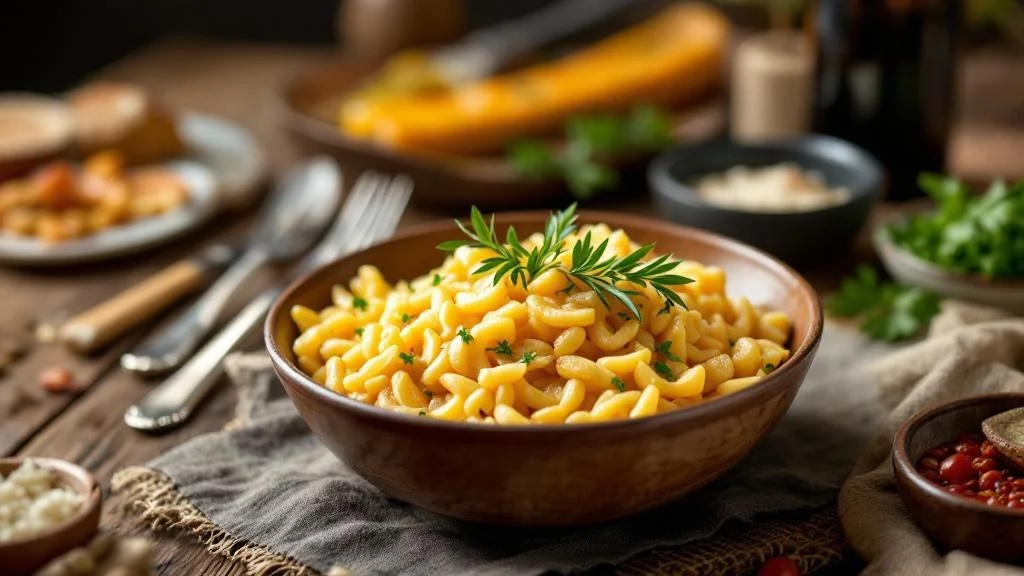
Muštarda, a versatile condiment known for its tangy flavor, adds a spicy kick beyond just sandwiches. With a history spanning centuries and a presence in kitchens worldwide, muštarda has become a staple in many households. This guide explores its origins, types, health benefits, and practical ways to incorporate it into your meals.
- The Origin of Muštarda
- Types of Muštarda
- Nutritional Benefits of Muštarda
- Culinary Uses of Muštarda
- How to Choose the Right Muštarda
- Homemade Muštarda Recipes
- Muštarda in Global Cuisines
- Storage and Shelf Life of Muštarda
The Origin of Muštarda
The story of muštarda begins in ancient times, with mustard seeds used for culinary and medicinal purposes. In ancient Rome, mustard was mixed with unfermented grape juice, giving birth to the condiment we recognize today. As trade routes expanded, different cultures adapted muštarda to their local tastes. (See: Mustard – Wikipedia.)
By the Middle Ages, muštarda gained prominence in European cuisine, especially in France and England. Dijon emerged as a mustard epicenter, celebrated for its creamy and sophisticated version, which set the standard for quality mustard. This evolution reflects cultural shifts and regional tastes, leading to the diverse varieties we enjoy today. (See: U.S. Department of Agriculture – Nutritional Composition of Mustard.)
Types of Muštarda
Muštarda comes in several varieties, each with unique flavor profiles. Yellow mustard, the most recognizable in the United States, is mild and commonly used on hot dogs and hamburgers. Its bright color, derived from turmeric, adds an earthy depth to its taste. (See: Health Benefits of Mustard – National Institutes of Health.)
Dijon mustard, hailing from France, is smooth and tangy, perfect for vinaigrettes and gourmet sandwiches. Whole grain mustard contains whole seeds, providing a delightful crunch and complexity to sauces and marinades. Your choice often depends on the dish and personal preference.
Nutritional Benefits of Muštarda
Muštarda is more than a flavorful addition; it offers several nutritional benefits. Low in calories, it serves as a healthier alternative to high-fat condiments. Mustard seeds are rich in essential nutrients, contributing to its healthful profile.
With antioxidant properties and anti-inflammatory benefits, muštarda can support overall health. While not a miracle food, adding muštarda to your meals enhances flavor while providing beneficial nutrients.
Culinary Uses of Muštarda
Cooking with muštarda opens up a world of possibilities. It’s a key ingredient in classic dishes like mustard-glazed salmon and tangy vinaigrettes. Its ability to blend seamlessly into dressings, rubs, and marinades makes it a favorite among chefs and home cooks alike.
For the adventurous cook, muštarda can surprise in sweet dishes, like honey mustard ice cream, or innovative cocktails featuring mustard syrup. Its versatility allows it to fit into almost any culinary repertoire.
How to Choose the Right Muštarda
Selecting the right muštarda enhances your cooking experience. Consider the flavor intensity and the dish you plan to prepare. For creamy sauces, Dijon mustard’s robust flavor shines, while yellow mustard’s milder taste suits casual fare.
Pair muštarda with food thoughtfully. Whole grain muštarda adds texture to sandwiches, while spicy brown mustard elevates roasted meats. Always check labels for ingredients if dietary restrictions are a concern.
Homemade Muštarda Recipes
Making muštarda at home allows for customization. A basic recipe includes mustard seeds, vinegar, water, and salt. From there, add honey, herbs, or chili peppers to tailor the flavor to your liking.
For a unique twist, try adding beer to your mustard mix for a rich, malty flavor, or incorporate fruit purees for sweetness. Making your own muštarda not only provides a fun kitchen project but also ensures a fresh, preservative-free product.
Muštarda in Global Cuisines
Muštarda’s influence extends far beyond Western kitchens. In India, mustard oil and seeds feature prominently in regional dishes, providing a pungent, earthy flavor. In Germany, mustard is essential for traditional sausages and pretzels, often paired with sauerkraut.
Asian cuisines embrace muštarda too, using it in sauces and marinades. In Japan, karashi mustard serves as a spicy condiment with oden or dumplings. Each culture adapts muštarda to fit its culinary traditions, showcasing its global appeal.
Storage and Shelf Life of Muštarda
Proper storage extends muštarda’s shelf life and preserves its flavor. Unopened jars should be kept in a cool, dark place. Once opened, refrigerate muštarda to maintain potency and prevent spoilage.
Pay attention to expiration dates, and trust your senses. If muštarda develops an off smell or changes in texture, it’s time to discard it. A well-stored muštarda can last several months, allowing you to enjoy its flavor over time.
Wrap-Up: The Versatility of Muštarda
From its ancient origins to its place in modern kitchens, muštarda remains a beloved condiment. Whether exploring mustard types, seeking health benefits, or trying new recipes, muštarda offers something for everyone. Embrace its range and experiment in your cooking adventures. Your taste buds will thank you.
Frequently Asked Questions
What is muštarda?
Muštarda is a type of condiment made from ground mustard seeds, vinegar, water, and various spices. It is commonly used to enhance the flavor of meats, sandwiches, and salads.
What are the different types of muštarda?
There are several types of muštarda, including yellow mustard, Dijon mustard, and spicy brown mustard. Each type varies in flavor, heat level, and culinary uses.
How is muštarda traditionally used in cooking?
Muštarda is often used as a spread for sandwiches, a flavoring in dressings, and a marinade for meats. It can also be used to add depth to sauces and dips.
Is muštarda healthy?
Muštarda is low in calories and fat, and it contains antioxidants and anti-inflammatory properties. However, it is important to check for added sugars and sodium in commercial varieties.
Can muštarda be used in recipes beyond condiments?
Yes, muštarda can be incorporated into various recipes such as salad dressings, marinades, and even baked goods for added flavor and complexity.