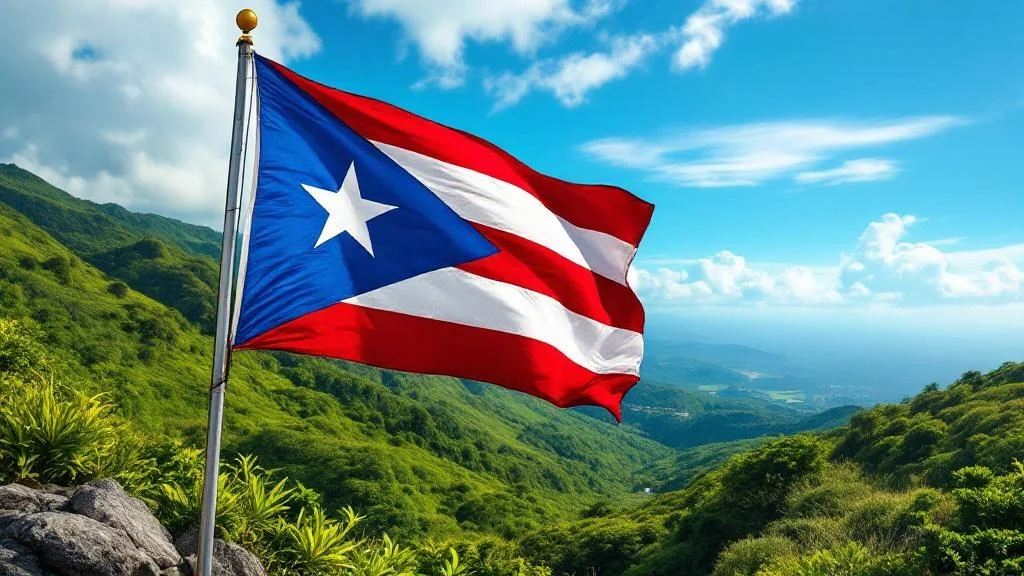
The Puerto Rico flag is a vibrant emblem representing the island’s rich culture and history. It resonates deeply with many, embodying the struggles and triumphs of its people. Here, we explore the origins, design, and significance of the Puerto Rico flag, examining its role in cultural identity and its context within U.S. territories.
- The Historical Background of the Puerto Rico Flag
- Design Elements of the Puerto Rico Flag
- Cultural Significance of the Puerto Rico Flag
- Legal Status of the Puerto Rico Flag
- The Puerto Rico Flag in Contemporary Society
- Flag Etiquette and Display Guidelines
- Challenges and Controversies Surrounding the Puerto Rico Flag
- Conclusion: The Enduring Legacy of the Puerto Rico Flag
The Historical Background of the Puerto Rico Flag
The Puerto Rico flag has undergone several transformations since its inception. Its origins trace back to the late 19th century, a period marked by political upheaval and the fight for independence. Created by the Puerto Rican Revolutionary Committee, the initial design drew inspiration from the Cuban flag while incorporating distinct characteristics. This choice reflected a shared struggle against colonial rule. (See: Wikipedia – Flag of Puerto Rico.)
In 1895, the flag was officially adopted by Puerto Rican revolutionaries in exile in New York City, symbolizing a commitment to independence and self-determination. Over the years, it has appeared during key historical events, such as the 1950 Jayuya Uprising, serving as a rallying symbol for the Nationalist movement. Each of these moments contributed to the flag’s evolving identity and enduring legacy. (See: Library of Congress.)
Design Elements of the Puerto Rico Flag
The design of the Puerto Rico flag is rich in symbolism. It features five alternating red and white stripes, a blue triangle on the left, and a single white star centered within the triangle. Each element conveys specific meanings, reflecting the island’s heritage and aspirations. (See: PuertoRico.com – Flag.)
The three red stripes signify the blood shed by brave warriors in their quest for freedom, while the two white stripes symbolize peace and the rights of the people. The blue triangle represents the sky and coastal waters surrounding Puerto Rico, and the lone white star signifies the commonwealth itself. This design highlights not only the island’s natural beauty but also its resilience and hope for the future.
Analysis of the Star and the Triangle
The star and triangle are central to the flag’s design, embodying Puerto Rico’s unity and aspirations. The triangle’s blue color has evolved, initially a light azure similar to the Cuban flag but now darker, matching the U.S. flag’s official blue. This change reflects Puerto Rico’s status as a U.S. territory.
The star is a poignant symbol of Puerto Rico’s identity, representing its unique position as a bridge between the Americas and its cultural connections to both the Caribbean and the United States.
Cultural Significance of the Puerto Rico Flag
The Puerto Rico flag is more than a national emblem; it is a powerful symbol of cultural identity and pride. For Puerto Ricans, both on the island and in the diaspora, the flag embodies their heritage, resilience, and aspirations.
During cultural and national celebrations, the flag takes center stage. Events like the Puerto Rican Day Parade in New York City see the streets awash in its vibrant colors, showcasing a strong sense of community and pride. The flag unites people from diverse backgrounds under a shared identity.
Legal Status of the Puerto Rico Flag
The legal recognition of the Puerto Rico flag is significant. Although Puerto Rico is a U.S. territory, it maintains a distinct identity epitomized by its flag. Since 1952, when Puerto Rico adopted its current status as a Commonwealth, the flag has been legally recognized alongside the U.S. flag.
Other U.S. territories, such as Guam and the U.S. Virgin Islands, have unique flags representing their cultural heritage and political status. However, the Puerto Rico flag holds a special place due to its historical context and the ongoing political discourse surrounding the island’s status.
The Puerto Rico Flag in Contemporary Society
Today, the Puerto Rico flag is ubiquitous in various contexts, from political rallies to art installations. Its representation in media and art reflects contemporary issues and the ongoing dialogue about Puerto Rico’s future.
Recently, the flag has prominently featured in protests advocating for improved economic conditions and governmental reform. It has also served as a symbol of resilience in the aftermath of natural disasters, such as Hurricane Maria, representing hope and solidarity among Puerto Ricans worldwide.
Flag Etiquette and Display Guidelines
Specific customs and practices govern the display of the Puerto Rico flag. Proper etiquette ensures the flag is treated with the respect it deserves. It should be flown with the blue triangle positioned on the left and never touch the ground or be used as drapery.
When displayed alongside the U.S. flag, the Puerto Rico flag should be of equal size and positioned to the viewer’s right. During parades or ceremonial occasions, it should be carried with dignity, never dipped in salute to any person or thing.
Challenges and Controversies Surrounding the Puerto Rico Flag
The Puerto Rico flag is not immune to political debates and controversies. Its symbolism reflects the broader political landscape of the island. Some view it as a symbol of resistance against U.S. colonial influence, while others see it as representing their complex relationship with the mainland.
Instances of misinterpretation and misuse arise when the flag is altered for commercial purposes or used in ways deemed disrespectful by Puerto Ricans. These controversies highlight the sensitive nature of national symbols and the need for respectful engagement with cultural emblems.
Conclusion: The Enduring Legacy of the Puerto Rico Flag
The Puerto Rico flag testifies to the island’s rich history and cultural identity. It represents the dreams and struggles of its people, serving as a symbol of unity and resilience. As Puerto Rico charts its course within the context of U.S. territories, the flag remains a powerful emblem of national pride and cultural heritage.
As you encounter this flag in various settings, from parades to art, consider the deep significance it holds for millions. Engage with the stories it tells and the aspirations it represents. The Puerto Rico flag is not just a piece of cloth; it is a vibrant symbol of a people’s enduring legacy.
Frequently Asked Questions
What do the colors of the Puerto Rico flag represent?
The colors of the Puerto Rico flag symbolize the blood that was shed for freedom (red), the sky and coastal waters (blue), and the peace and tranquility of the island (white).
When was the Puerto Rico flag officially adopted?
The Puerto Rico flag was officially adopted on July 24, 1952, although its design dates back to the 19th century.
What inspired the design of the Puerto Rico flag?
The design of the Puerto Rico flag was inspired by the Cuban flag, reflecting the shared history and aspirations of both islands for independence.
What is the significance of the triangle on the Puerto Rico flag?
The triangle on the Puerto Rico flag represents the three branches of government: the executive, legislative, and judicial, signifying the island’s commitment to democracy.
Is the Puerto Rico flag used in celebrations and events?
Yes, the Puerto Rico flag is prominently displayed during national holidays, parades, and cultural events, symbolizing pride and identity among Puerto Ricans both on the island and abroad.