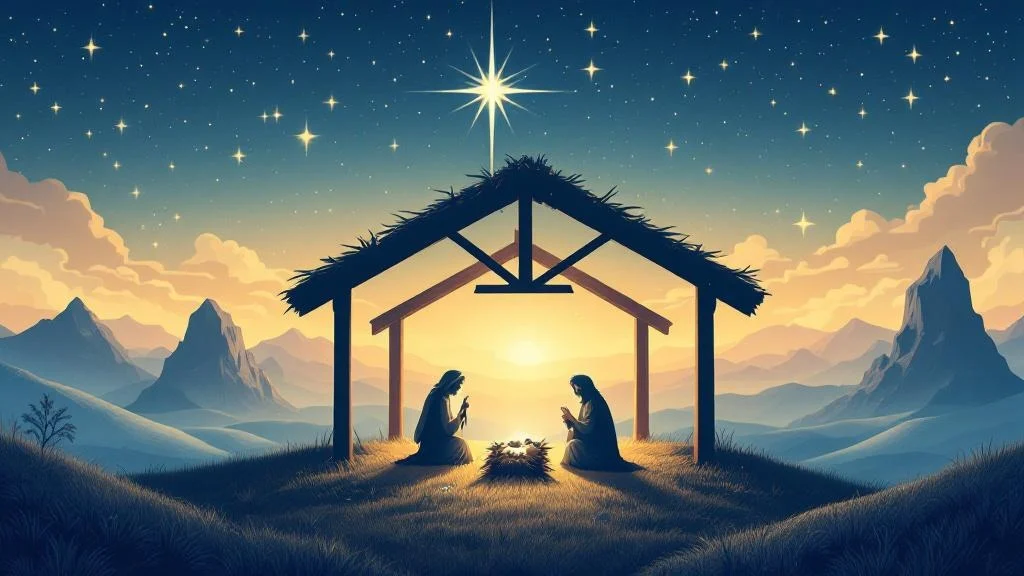
Nativität, a term rich in cultural and spiritual significance, represents birth and origin. This guide explores its meanings, significance, and applications across various fields. From religious interpretations to its influence on art and literature, Nativität encapsulates a multifaceted concept that shapes human understanding and expression. Whether through celebrations or psychological implications, Nativität continues to resonate in modern society, reflecting our shared human experience.
- Understanding Nativität
- Cultural Significance of Nativität
- Nativität in Different Religions
- Nativität and Its Psychological Implications
- Nativität in Modern Society
- Nativität in Literature and the Arts
- Conclusion: The Continuing Relevance of Nativität
Understanding Nativität
Definition of Nativität
The term “Nativität” signifies birth, origin, and the qualities associated with beginnings. It embodies the concept of coming into existence, whether through the birth of a person, an idea, or a cultural movement. Nativität transcends the mere act of being born; it encompasses the initiation and unfolding of life and identity. (See: Wikipedia on Nativität.)
Historical Background and Etymology
Originating from the Latin word “nativitas,” meaning birth, Nativität describes the act and significance of being born across various cultures. Over centuries, it evolved to symbolize broader themes of origin and creation. Historically, Nativität has linked to religious narratives, art, and literature, often depicting the miracle of life’s beginnings. (See: CDC on Nativism.)
Cultural Significance of Nativität
Nativität in Religious Contexts
In many religions, Nativität carries profound spiritual significance, symbolizing purity, new beginnings, and divine intervention. The Christian Nativity narrative, for instance, portrays the birth of Jesus Christ as a miraculous event that ushered in a new era of faith and redemption. (See: Psychology Today on Nativism.)
Nativität in Art and Literature
The theme of Nativität has inspired countless artists and writers. Renaissance paintings depicting the Nativity scene to modern literary works exploring birth and identity showcase Nativität as a powerful symbol of creation and transformation. Artists like Sandro Botticelli and writers such as James Joyce have harnessed this concept to examine the human experience and the nature of beginnings.
Nativität in Different Religions
Christian Interpretations of Nativität
In Christianity, Nativität is primarily linked to the birth of Jesus Christ, celebrated as Christmas. This narrative is not merely a story of birth but a theological declaration of God’s incarnation and the promise of salvation. The Nativity scene, depicting Mary, Joseph, and the infant Jesus, symbolizes hope and divine love.
Nativität in Hinduism and Other Spiritual Beliefs
While “Nativität” is not explicitly used in Hinduism, similar concepts exist. Hindu beliefs emphasize the cycle of birth, death, and rebirth, known as samsara. This cycle reflects the perpetual nature of life and the soul’s journey. Other spiritual traditions recognize the significance of birth as a sacred event connecting the physical and spiritual realms.
Nativität and Its Psychological Implications
The Concept of Birth in Psychology
In psychology, birth is often explored through development and identity formation. The idea of Nativität appears in theories examining how individuals understand their origins and develop a sense of self. Psychologists like Erik Erikson have highlighted the importance of early experiences in shaping identity.
Nativität and Identity Formation
Nativität plays a crucial role in identity formation. Understanding one’s origins—personal history and cultural background—shapes a coherent sense of self. This understanding influences how individuals perceive themselves and their place in the world, affecting personal relationships and career choices.
Nativität in Modern Society
Celebrations and Festivals Related to Nativität
Modern society continues to celebrate Nativität through various festivals and traditions. Christmas is one of the most widely celebrated, marking the birth of Jesus Christ with rituals, music, and communal gatherings. Other cultures, like Hinduism, celebrate Janmashtami to honor the birth of Lord Krishna with vibrant festivities.
The Influence of Nativität on Contemporary Culture
Nativität’s influence extends beyond religious and cultural celebrations. It permeates contemporary culture through literature, art, and media, reflecting our fascination with beginnings and origins. Films, novels, and art installations explore themes of birth and creation, offering fresh perspectives on Nativität’s significance in our lives. This cultural dialogue highlights Nativität’s enduring relevance as a symbol of renewal and transformation.
Nativität in Literature and the Arts
Depictions of Nativität in Classic Literature
Classic literature is rich with references to Nativität, often using birth as a metaphor for new beginnings or change. Works like Charles Dickens’ “A Christmas Carol” weave themes of rebirth and redemption into their narratives, illustrating how Nativität symbolizes both literal and figurative transformation.
Artistic Interpretations and Symbolism
In art, Nativität has been depicted through various styles and mediums. From the serene Nativity scenes of the Renaissance to contemporary sculptures, artists have drawn inspiration from themes of birth and creation. These interpretations often incorporate rich symbolism, using color, form, and composition to convey Nativität’s profound impact on human experience.
Conclusion: The Continuing Relevance of Nativität
Nativität remains a vital concept transcending cultural and temporal boundaries. Its themes of birth, origin, and renewal continue to resonate globally. Looking to the future, Nativität offers a lens to view our lives, encouraging reflection and growth. Through religious observance, artistic expression, or psychological exploration, Nativität invites us to embrace the beauty and mystery of beginnings.
For those eager to explore this concept further, engaging with the rich tapestry of literature and art inspired by Nativität can provide greater insight into our individual and collective journeys. Let Nativität remind us of the potential for transformation and the power of embracing our true origins.
Frequently Asked Questions
Was ist die Nativität?
Die Nativität bezieht sich auf die Geburt Jesu Christi und wird in der christlichen Tradition oft als zentrale Feier im Advent und zu Weihnachten betrachtet. Sie symbolisiert den Beginn der Inkarnation und hat sowohl religiöse als auch kulturelle Bedeutung.
Wie wird die Nativität in verschiedenen Kulturen gefeiert?
Die Nativität wird in vielen Kulturen durch verschiedene Bräuche und Traditionen gefeiert, darunter Krippenspiele, Weihnachtsmärkte und festliche Mahlzeiten. In einigen Ländern gibt es spezielle Feiertage und Rituale, die die Bedeutung der Nativität hervorheben.
Welche Rolle spielt die Nativität in der Kunst?
Die Nativität inspiriert seit Jahrhunderten Künstler, die sie in Malerei, Skulptur und Musik darstellen. Berühmte Kunstwerke zeigen die Geburt Jesu und vermitteln die tiefere spirituelle Bedeutung dieses Ereignisses.
Was sind die theologischen Aspekte der Nativität?
Theologisch betrachtet steht die Nativität für die Menschwerdung Gottes und die Hoffnung auf Erlösung. Sie ist ein zentraler Bestandteil des christlichen Glaubens und wird in den Evangelien des Neuen Testaments beschrieben.
Gibt es spezielle Bibelstellen zur Nativität?
Ja, die Nativität wird hauptsächlich in den Evangelien von Matthäus und Lukas behandelt. Diese Berichte enthalten wichtige Details über die Umstände der Geburt Jesu, einschließlich der Ankündigung durch Engel und der Ankunft der Weisen aus dem Morgenland.