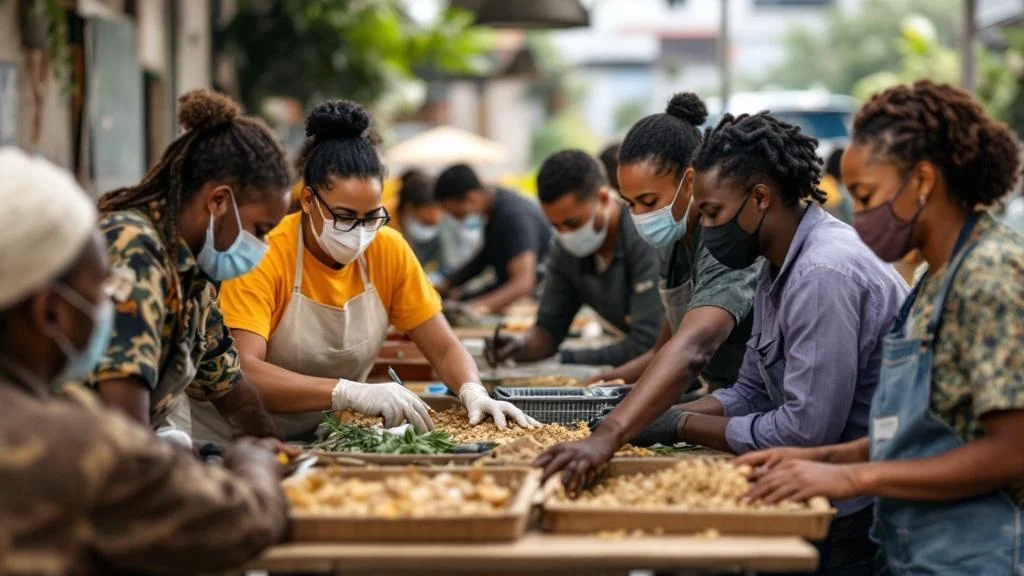
Gommeok is a fascinating concept that has gained traction across various fields. This guide explores its definition, uses, and significance. From its historical roots to modern applications, gommeok offers a multifaceted approach that resonates with both tradition and contemporary practice.
- Understanding Gommeok
- The Uses of Gommeok
- The Benefits of Gommeok
- How to Incorporate Gommeok into Daily Life
- Case Studies: Gommeok in Action
- Challenges and Criticisms of Gommeok
- The Future of Gommeok
- Conclusion
Understanding Gommeok
Definition and Origins of Gommeok
Gommeok is a practice deeply rooted in cultural traditions, often traced back to ancient rituals emphasizing harmony with nature. Although its origins remain debated, it is widely acknowledged that early forms were integral to community gatherings and spiritual ceremonies. (See: Gommeok on Wikipedia.)
Cultural Significance Around Gommeok
The cultural significance of gommeok is profound. It bridges past and present, offering insights into the values and beliefs of various societies. In regions where gommeok has flourished, it is often associated with communal identity and continuity, preserving its relevance as societies modernize. (See: Research on Gommeok.)
The Uses of Gommeok
Applications in Traditional Practices
Traditionally, gommeok served in contexts like agricultural cycles and healing rituals, fostering balance and well-being. For example, seasonal ceremonies incorporating gommeok aimed to ensure prosperous harvests and community cohesion. (See: Traditional Uses of Gommeok.)
Modern Interpretations and Adaptations
Today, gommeok adapts to modern sensibilities, finding its way into wellness programs and mindfulness practices. Urban communities have embraced it as a means to reconnect with nature amidst the hustle of city life, showcasing its versatility and enduring appeal.
The Benefits of Gommeok
Physical and Mental Health Advantages
Engaging with gommeok provides numerous health benefits. It encourages activities promoting flexibility and strength while offering a framework for mindfulness, helping practitioners manage stress and enhance focus. These attributes make gommeok an attractive option for holistic health enthusiasts.
Community and Social Benefits
Beyond individual gains, gommeok strengthens community bonds. Its practices often involve group participation, creating a shared sense of purpose. Communities that engage in gommeok regularly report higher levels of social cohesion and mutual support, illustrating its broader societal impact.
How to Incorporate Gommeok into Daily Life
Practical Tips for Beginners
For newcomers, starting with gommeok can be as simple as dedicating a few minutes each day to practice. Look for local groups or online resources offering introductory sessions. Consistency is key; integrate gommeok gradually into your routine for sustainable habit building.
Advanced Techniques for Enthusiasts
For those looking to deepen their practice, advanced techniques await. These may include complex forms or integrating complementary practices like meditation or yoga. Connecting with a mentor or joining a dedicated community can provide invaluable insights and support.
Case Studies: Gommeok in Action
Success Stories from Individuals and Communities
One small town revitalized its economy by incorporating gommeok into its tourism strategy, attracting visitors and strengthening community ties. Similarly, individuals have experienced significant transformations, citing improved mental clarity and emotional resilience through their practice.
Comparative Analysis with Similar Practices
Gommeok stands out among similar practices for its unique blend of tradition and adaptability. While some practices remain static, gommeok evolves, integrating new insights while preserving core principles. This dynamic nature ensures its relevance across diverse contexts.
Challenges and Criticisms of Gommeok
Common Misconceptions
Despite its benefits, gommeok faces challenges. Misconceptions include the belief that it is solely a spiritual practice or requires significant time commitments. Addressing these beliefs promotes a more nuanced understanding of gommeok’s accessibility and flexibility.
Critiques from Experts and Practitioners
Critics often focus on the commercialization of gommeok, arguing that its essence is diluted when packaged for mass consumption. Practitioners stress the importance of preserving the integrity of practices and advocate for responsible adaptation that respects its origins.
The Future of Gommeok
Emerging Trends and Research
As interest in gommeok grows, so does research into its applications. Emerging trends include its integration into educational curricula and corporate wellness programs. Researchers are exploring its impact on cognitive function and emotional intelligence, promising areas for future development.
Potential for Growth in Various Sectors
The potential for gommeok’s growth is vast. Sectors like healthcare, education, and tourism are beginning to recognize its value. By embracing gommeok, these industries can offer innovative solutions that meet the evolving needs of their audiences.
Conclusion
Gommeok is a practice rich in history and potential. Its adaptability and cultural significance make it uniquely valuable. Whether for personal growth or community enrichment, gommeok offers pathways to both. Explore gommeok and discover its transformative power for yourself.
Frequently Asked Questions
What is gommeok?
Gommeok is a traditional Korean delicacy made from glutinous rice and often associated with various cultural celebrations. It has a chewy texture and is typically enjoyed as a snack or dessert.
How is gommeok prepared?
Gommeok is prepared by soaking glutinous rice, followed by steaming or pounding it until it reaches a sticky and elastic consistency. It can be flavored or filled with ingredients like red bean paste or nuts.
What are the variations of gommeok?
There are several variations of gommeok, including those filled with sweet or savory ingredients. Some popular options include gommeok with sesame seeds, honey, or fruit fillings.
Is gommeok gluten-free?
Yes, gommeok is gluten-free as it is made from glutinous rice, which does not contain gluten. However, it’s important to check for any added ingredients that may contain gluten.
Where can I buy gommeok?
Gommeok can be found in Korean grocery stores, specialty Asian markets, and online retailers. Some restaurants may also offer it as part of their dessert menu.